New World Screwworm Returns to U.S. Cattle
New World screwworm Texas cattle operations faced a federal emergency after USDA confirmed the flesh-eating parasite’s return for the first time since 1966. The outbreak threatens…
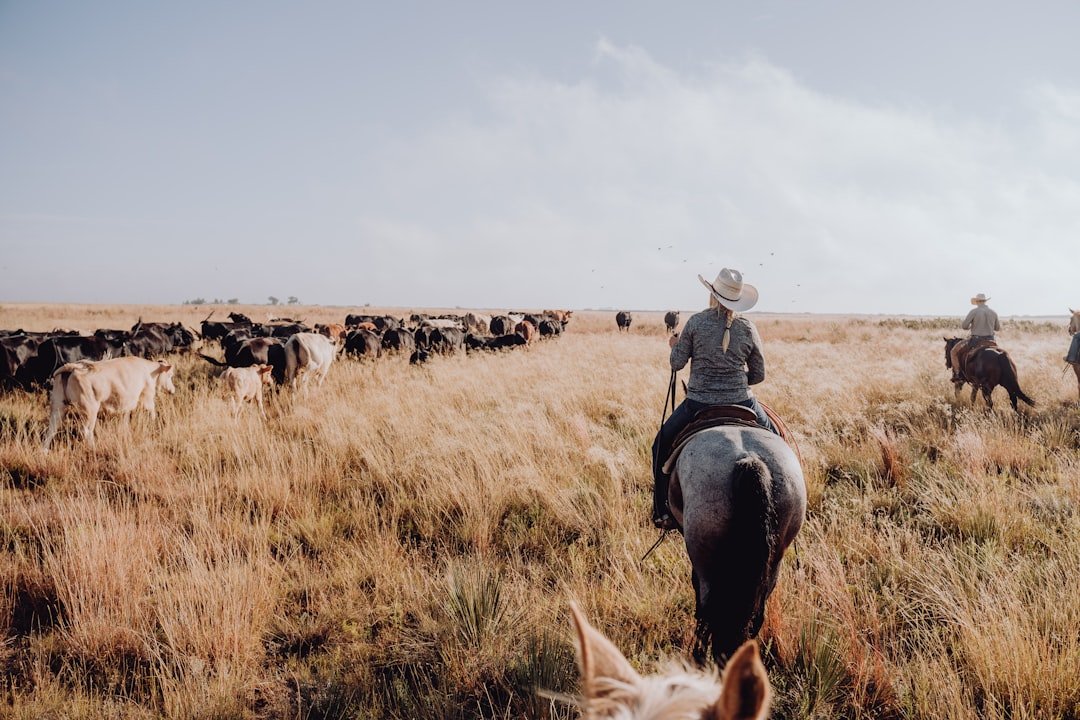
New World screwworm Texas cattle operations face their gravest pest threat in six decades after USDA confirmed the parasite’s return to American soil on June 3, 2026. The confirmation sent shockwaves across the entire U.S. livestock industry. Agriculture Secretary Brooke Rollins announced the finding in Zavala County, near the U.S.-Mexico border, triggering an immediate emergency response. Federal and state agencies mobilized within hours of the announcement.
Background on New World Screwworm Texas
Furthermore, this discovery marks a stunning reversal of one of agriculture’s greatest victories. The New World screwworm was declared eradicated in the United States in 1966. Scientists eliminated the pest through a celebrated sterile insect program. Since then, the fly remained largely confined to Central America. However, since 2023, outbreaks spread steadily northward through Central America and into Mexico. USDA had already suspended live cattle imports from Mexico in response to that threat.
Key Details of the New World Screwworm Texas Outbreak
In addition, officials released stark details about the initial confirmed case. USDA’s Animal and Plant Health Inspection Service detected the screwworm in a three-week-old beef calf in La Pryor, Texas. Larvae appeared in the calf’s umbilical area. Consequently, USDA and the Texas Animal Health Commission launched a joint emergency containment effort immediately. As a result, eight confirmed cases emerged within ten days of that first detection. Meanwhile, officials released millions of sterile flies and established quarantine zones across South Texas.
Industry Impact
Moreover, the industry impact compounds an already fragile beef supply picture. The U.S. beef herd sits at its smallest level in 75 years. Beef prices have already hit record highs in 2026. The suspension of Mexican cattle imports removed an estimated 1.2 million head of feeder cattle from the annual supply chain. Feeder cattle futures surged to record highs on that news alone. Notably, a full outbreak threatens to inflict $1.8 billion in damage to the Texas economy alone, according to a USDA estimate. Cattle ranchers now face added labor, veterinary, and monitoring costs on top of existing margin pressure.
Importantly, officials stress that the screwworm does not pose a food safety risk to consumers. Federal meat inspectors screen for infestation signs. Affected animals cannot enter the commercial food supply. Nevertheless, the economic threat to producers remains severe. Untreated infested cattle can die within 14 days. Ranchers across South Texas now inspect animals every few days for wounds, unusual discharge, and larvae in living tissue.
What Comes Next
Therefore, federal and state agencies are pushing containment on every front. USDA invested $21 million to expand sterile fly production in Metapa, Mexico. Texas Agriculture Commissioner Sid Miller called for aggressive sterile fly releases, saying eradication requires the strategic deployment of millions of sterile flies. Additionally, USDA appointed John Bellinger as Senior Advisor for New World Screwworm Preparedness on June 8, 2026. Ranchers near the U.S.-Mexico border in New Mexico and Arizona have increased monitoring efforts. Some producers are postponing procedures like castration and dehorning that create open wounds and infestation entry points.
Consequently, market analysts warn consumers to expect further beef price pressure this summer. One economist described the outbreak as “a possible severe supply shock at a time when the beef supply is already historically low.” Cattle futures swung wildly in early June, with feeders surging the daily limit after the initial Texas confirmation.
Conclusion
In conclusion, the New World screwworm Texas confirmation represents the most serious livestock pest crisis the United States has faced in a generation. Ranchers, federal agencies, and state officials must act in lockstep to prevent a single county detection from becoming a national catastrophe. Producers should monitor all animals daily, report any suspicious wounds immediately to USDA-APHIS or the Texas Animal Health Commission, and follow all quarantine movement restrictions. The coming weeks will determine whether aggressive containment holds the line or whether American agriculture faces its most costly pest battle in 60 years.
Related: New World Screwworm Returns to U.S. After 60 Years
Originally reported by AgWeb / USDA APHIS. Analysis by the GardenScoop Editorial Team.