New World Screwworm Returns to US Livestock
New World screwworm has returned to US soil for the first time in 60 years, with USDA confirming multiple cases across Texas and New Mexico in June 2026. Federal and state…
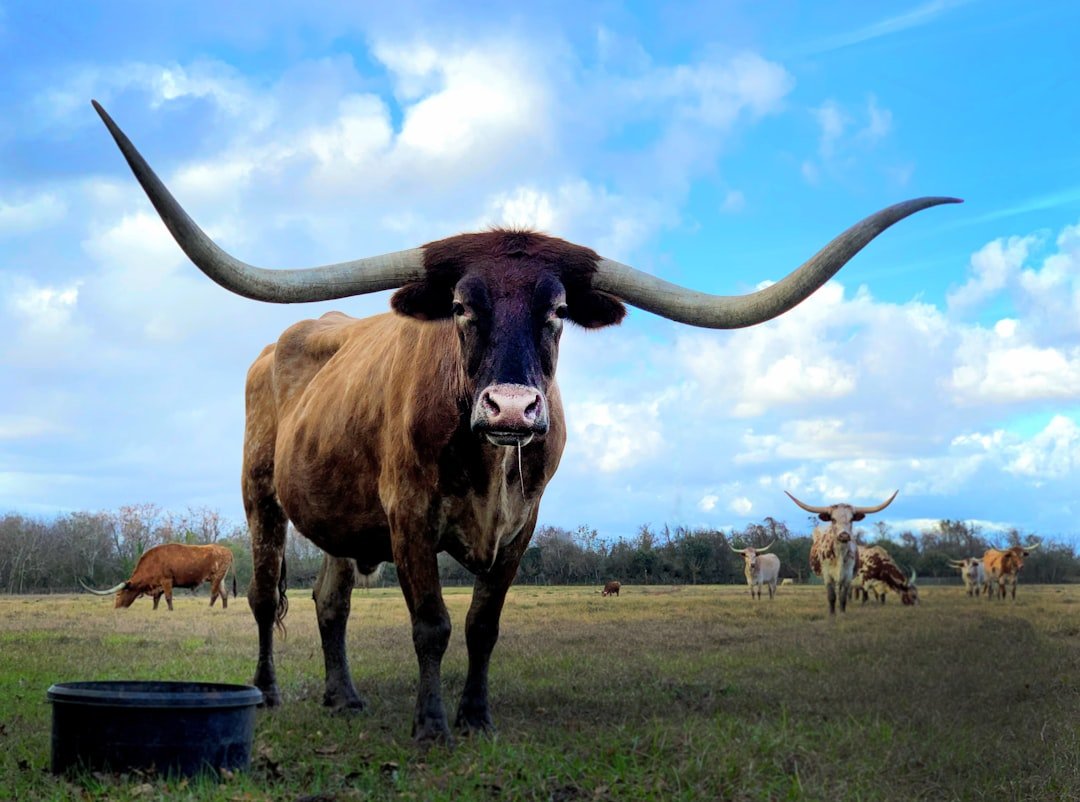
New World screwworm has breached US borders for the first time in six decades, sending shockwaves through the American livestock industry. On June 3, 2026, USDA’s Animal and Plant Health Inspection Service (APHIS) confirmed the detection of New World screwworm in a three-week-old calf in Zavala County, Texas. Federal and state officials immediately activated emergency response protocols. The stakes for American cattle, sheep, and goat producers could not be higher.
Background on New World Screwworm
Furthermore, this parasitic pest has a long and devastating history in the United States. New World screwworm larvae burrow into the living flesh of warm-blooded animals, causing serious tissue damage and economic losses. USDA eradicated the pest from the United States in 1966 using the Sterile Insect Technique. However, since 2023, an outbreak moved northward through Central America and Mexico, primarily infesting livestock, pets, and wildlife. In November 2024, the pest emerged in Chiapas, Mexico, signaling its inevitable march toward the US border.
Key Details
As a result, detections quickly multiplied after the initial June 3 confirmation. By June 9, 2026, confirmed domestic animal cases reached six total, including four cattle, one goat, and one dog. The single canine case appeared in Lea County, New Mexico, on June 8, highlighting potential routes for further geographic spread. Moreover, the Texas Animal Health Commission confirmed active cases across six Texas counties, including Zavala, La Salle, Gillespie, Sutton, and Tom Green. USDA deployed a 12.5-mile infested zone around each detection area, with quarantines and strict animal movement controls.
Industry Impact of New World Screwworm
Consequently, the livestock industry now faces a serious and costly new threat. Added costs and risks associated with New World screwworm arrive at a moment when lower cattle supplies and strong demand have already driven record prices for cattle and beef in 2026. Meanwhile, experts warn the situation may be far worse than confirmed case numbers suggest. Leading veterinary parasitologist Christopher Lee, DVM, stated the single confirmed case almost certainly understates the threat, warning that potentially hundreds to thousands of flies may already exist inside US borders. Ramping sterile-fly production to full capacity could take up to 18 months to two years.
Notably, the biology of the pest creates unique containment challenges. Unlike contagious livestock diseases, New World screwworm does not spread animal-to-animal. Instead, flies move 6 to 15 miles per day and travel through transport of infested animals. Across South and Central Texas detection zones alone, producers manage more than 160,000 sheep and goats. Many of these animals graze on extensive rangeland where daily inspection remains difficult. White-tailed deer, exotic game species, and feral hogs throughout South Texas also serve as hosts, further complicating surveillance.
What Comes Next
Therefore, federal and state agencies now race to contain the outbreak before it expands further north. USDA leads a coordinated response, deploying advanced surveillance systems and sterile fly releases along the Texas border. On June 8, the USDA appointed John Bellinger as Senior Advisor for New World Screwworm Preparedness to integrate response efforts. Additionally, the FDA issued an Emergency Use Authorization for generic Nitenpyram Tablets, making them the first generic animal drug authorized to treat New World screwworm in dogs and cats. The Texas Animal Health Commission and Texas A&M AgriLife launched a first-of-its-kind NWS Certified Inspector Program to train personnel on identification and treatment protocols.
Importantly, producers in affected zones must obtain animal movement certificates before transporting livestock. The American Farm Bureau Federation warns that sterile fly supply remains a key constraint, with current production insufficient for the expanding outbreak. USDA urges all livestock and pet owners in the region to check animals daily for draining wounds, larvae, or eggs near body openings. Officials stress the US food supply remains fully safe, as screwworms do not infest meat, fruits, or vegetables.
Conclusion
Moreover, the return of New World screwworm marks one of the most serious agricultural biosecurity events in a generation. USDA and state partners work urgently to deploy sterile flies, enforce quarantine zones, and scale up detection capacity across the Southwest. The American livestock industry now watches closely as this rapidly evolving outbreak tests the nation’s preparedness infrastructure. Producers must stay vigilant, report suspected cases immediately, and follow all movement protocols to protect their herds and support the national eradication effort.
Related: New World Screwworm Returns to U.S. Cattle
Originally reported by USDA APHIS. Analysis by the GardenScoop Editorial Team.