New World Screwworm Hits Texas Cattle
New World screwworm Texas detections — now four confirmed cases across two counties — threaten the nation’s $113 billion cattle industry for the first time since 1966. USDA has…
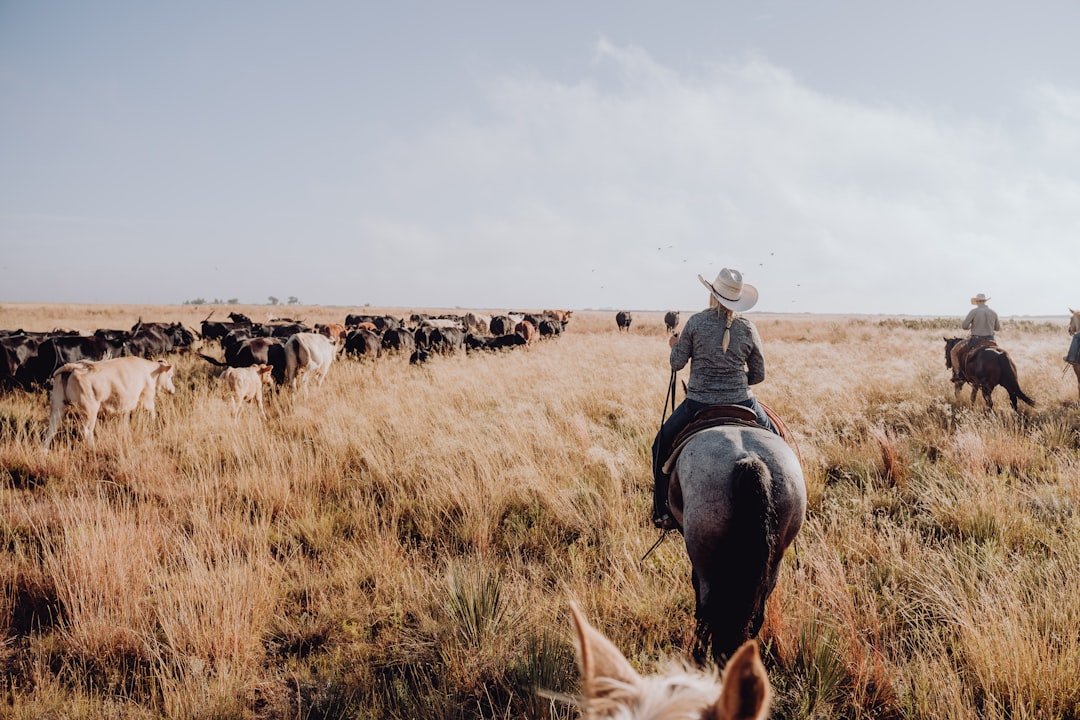
New World screwworm Texas detections have sent shockwaves through American agriculture, marking the first confirmed U.S. livestock infestations in sixty years. On June 3, 2026, USDA’s Animal and Plant Health Inspection Service (APHIS) confirmed the parasitic fly in a three-week-old calf in Zavala County. By June 8, officials had confirmed four total cases across two Texas counties. The nation’s $113 billion cattle industry now faces its most serious biological threat in generations.
Background on New World Screwworm Texas
Furthermore, the New World screwworm carries a dark history in American agriculture. The parasite disappeared from U.S. soil after a landmark 1966 eradication campaign. Scientists deployed the sterile insect technique — releasing sterilized male flies to collapse wild populations. That decades-long victory now hangs in the balance. Since 2023, the pest marched steadily northward through Panama, Central America, and Mexico, crossing every border barrier officials threw at it.
Key Details of the New World Screwworm Texas Outbreak
Notably, USDA APHIS confirmed the first case on June 3 in a three-week-old calf in La Pryor, Zavala County. Larvae appeared in the animal’s umbilical area. A second infected calf turned up just 5.6 miles away days later. On June 8, USDA confirmed two additional cases — a calf in La Salle County and a dog in Andrews County. APHIS laboratories in Ames, Iowa, processed all samples for confirmation.
In addition, USDA screwworm larvae burrow directly into living flesh. Female flies deposit eggs in open wounds, body openings, and navels of newborn animals. Once hatched, maggots feed on living tissue and can destroy vital organs. Untreated animals face severe infection or death. Unlike contagious livestock diseases, the fly does not spread directly from animal to animal.
Industry Impact
Meanwhile, the economic stakes alarm ranchers and market analysts alike. Analysts estimate Texas alone could absorb up to $1.8 billion in losses if the parasite spreads widely. The threat lands on a cattle herd already at its lowest level in 75 years. Any further reduction in supply would push beef prices even higher for American consumers already paying record amounts at the meat counter.
Moreover, Canada moved swiftly to protect its own herds. The Canadian Food Inspection Agency announced temporary restrictions on livestock imports from affected U.S. areas. Cattle futures markets reacted violently — feeder cattle surged to daily limits after the detection confirmed trader fears. The National Cattlemen’s Beef Association called the outbreak a top national priority.
Consequently, Texas Agriculture Commissioner Sid Miller criticized the federal pace of response. He argued USDA moved too slowly and leaned too heavily on a partial solution. NCBA CEO Colin Woodall acknowledged USDA’s expanded efforts but stressed that surveillance and speed remain critical. Every hour of delay widens the window for the pest to establish itself farther north.
What Comes Next
Therefore, USDA launched an aggressive, multi-front containment campaign immediately after confirmation. Officials established a 12-mile quarantine zone around Zavala County, restricting all movement of warm-blooded animals. State veterinarians and Texas Animal Health Commission officers now inspect every animal leaving the zone. USDA also escalated sterile fly releases — currently 100 million sterile flies per week across Texas and northern Mexico.
However, officials want even faster results. USDA directed ground-level sterile fly releases inside the quarantine zone — a tactic used successfully to stop the 2016 Florida Keys outbreak. The agency also announced the NWS Grand Challenge, making up to $100 million available for innovative screwworm control projects. USDA Under Secretary Dudley Hoskins declared: “We have defeated New World screwworm before, and we will do it again.”
As a result, ranchers inside and near the quarantine zone must inspect all livestock daily. USDA urges producers to check for draining or enlarging wounds, maggots in body openings, and signs of unusual animal discomfort. Producers should call their state animal health official or USDA area veterinarian at the first sign of infestation. Early reporting directly accelerates eradication.
Conclusion
Importantly, USDA and Agriculture Secretary Brooke Rollins stress that the U.S. food supply remains completely safe. Screwworms do not infest meat, fruits, vegetables, or processed food products. USDA’s Food Safety and Inspection Service maintains oversight at every stage of livestock processing. Any infected animal would face removal before entering commerce. The public health risk to people remains extremely low, though anyone with open wounds near livestock should exercise caution.
Ultimately, the New World screwworm Texas crisis tests sixty years of eradication progress in one of agriculture’s most consequential moments. The USDA, state officials, ranchers, and the cattle industry must move in complete lockstep. Speed, surveillance, and the sterile fly program represent the nation’s best path back to zero cases. America has beaten this pest before — and the clock is running to do it again.
Related: New World Screwworm Hits Texas Cattle
Originally reported by USDA Animal and Plant Health Inspection Service (APHIS). Analysis by the GardenScoop Editorial Team.