USDA Opens $1.625B Specialty Crop Aid Enrollment
USDA’s specialty crop assistance program has opened enrollment for $1.625 billion in payments to eligible fruit, vegetable, and tree nut producers. Growers can apply online now…
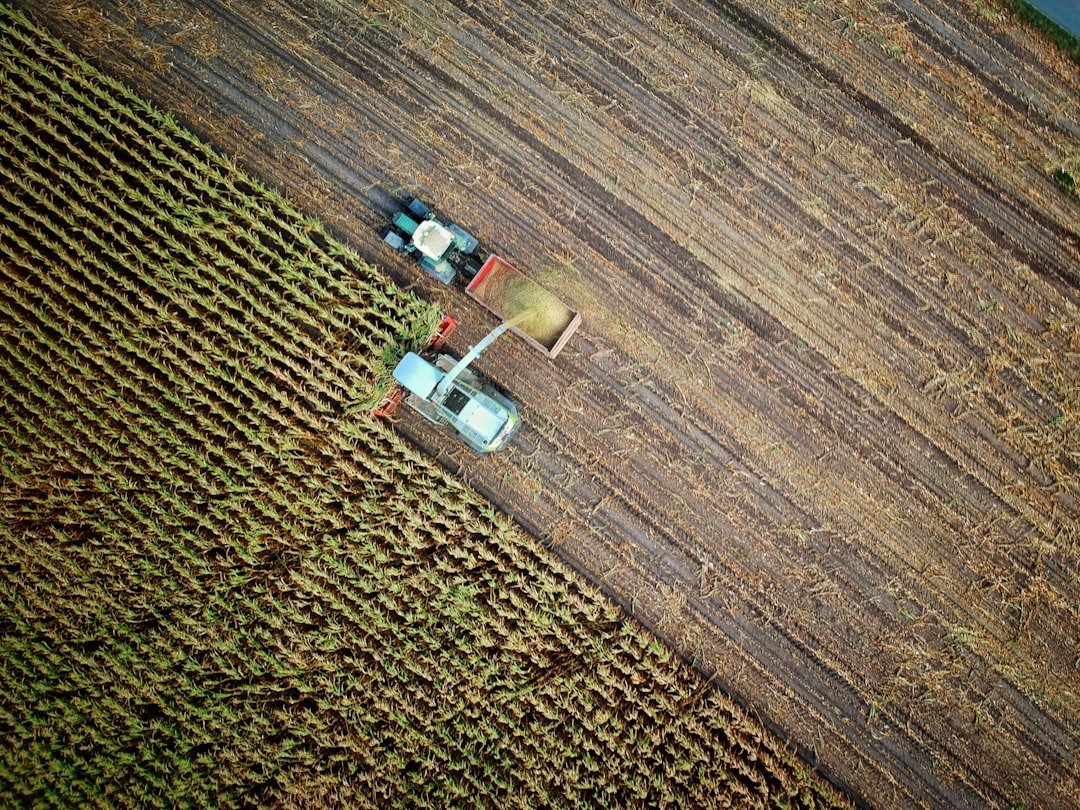
The specialty crop assistance program now accepting applications represents the largest targeted relief package fruit, vegetable, and tree nut growers have seen in years. USDA Secretary Brooke Rollins opened enrollment on June 1, 2026, directing $1.625 billion toward eligible producers. The window closes August 7, 2026. Growers across America need to act fast.
Background on the Specialty Crop Assistance Program
Foreign competitors engaging in unfair trade practices hammered American specialty crop exports throughout the 2025 growing season. Furthermore, elevated input costs and persistent inflation squeezed farm margins to dangerous levels. USDA undersecretary Richard Fordyce confirmed the financial pressure spans every sector. “Whether you’re growing corn, soybeans, wheat, cotton, rice or specialty crops, there’s still pretty razor-thin to negative margins,” Fordyce told AgriTalk. Congress authorized the Assistance for Specialty Crop Farmers (ASCF) program in late 2025 to address these losses directly.
Key Details of the Specialty Crop Assistance Program
USDA structured payments across four revenue-based tiers. Tier 1 pays $650 per acre and covers crops averaging more than $10,000 annual revenue per acre. Tier 1 crops include strawberries, lettuce, fresh grapes, highbush blueberries, and sweet cherries. Tier 2 pays $225 per acre for crops generating $2,300 to $10,000 per acre annually. Notable Tier 2 crops include apples, almonds, cranberries, pistachios, potatoes, and walnuts. Tier 3 pays $65 per acre for crops with annual revenue up to $2,300 per acre. Beans and peas not previously covered by the Farmer Bridge Assistance program receive $25 per acre. The total payment cap per producer sits at $250,000. Producers with adjusted gross income above $900,000 are not eligible.
How Growers Apply for Specialty Crop Assistance
Producers who maintain a Login.gov account can access and submit prefilled applications directly at fsa.usda.gov/ascf. In addition, farmers who prefer in-person service can request prefilled applications at their local FSA county office starting June 8, 2026. USDA bases payments on specialty crop acres farmers reported to FSA by April 24, 2026. Importantly, payments roll out as applications receive approval — meaning early applicants collect payments sooner. The ASCF program deadline falls on August 7, 2026, and USDA will not extend it. Producers who miss that date lose eligibility entirely.
Industry Impact of the $1.625B Specialty Crop Assistance
The ASCF program budget grew by $625 million above the $1 billion figure USDA originally announced earlier in 2026. Moreover, much of the aid will flow toward California and the Pacific Northwest, which drive national production of fruits, vegetables, and tree nuts. Secretary Rollins toured Allied Potato in Bakersfield, California, to highlight the program’s reach. Meanwhile, industry leaders acknowledge the payments, while welcome, will not fully offset losses many specialty growers absorbed during 2025. However, the program still delivers meaningful cash at a critical time when planting decisions for 2026 hang in the balance. Farm advocates continue pushing Congress for a follow-on assistance round.
What Comes Next for Specialty Crop Producers
Congressional agriculture committee leaders on both sides of the aisle acknowledge specialty crop farmers need more federal help. Consequently, discussions continue around a second assistance package, though USDA has not formally announced one. A new farm bill moving through the Senate could also deliver additional specialty crop relief if it passes. Therefore, growers should treat the ASCF payment as a bridge, not a permanent safety net fix. In addition, USDA strongly urges all participants to explore new risk management tools available under the Working Families Tax Cuts Act. Those tools protect against future price volatility heading into the 2027 season and beyond.
Conclusion
The specialty crop assistance program delivers urgent, concrete relief to growers battered by unfair foreign competition and relentless input cost inflation. Notably, the $1.625 billion commitment signals the strongest federal support for fruit, vegetable, and tree nut producers in recent memory. Producers must file completed applications by August 7, 2026, at fsa.usda.gov/ascf to secure their share. Missing this deadline means leaving real money on the table. Growers should contact their local FSA county office today, confirm their 2025 acreage records are accurate, and submit applications without delay.
Related: New World Screwworm Hits Texas Cattle
Originally reported by The Packer / USDA. Analysis by the GardenScoop Editorial Team.