New World Screwworm Returns to U.S. After 60 Years
New World screwworm has returned to U.S. soil for the first time since 1966, with multiple confirmed cases in Texas and New Mexico threatening the nation’s cattle industry. The…
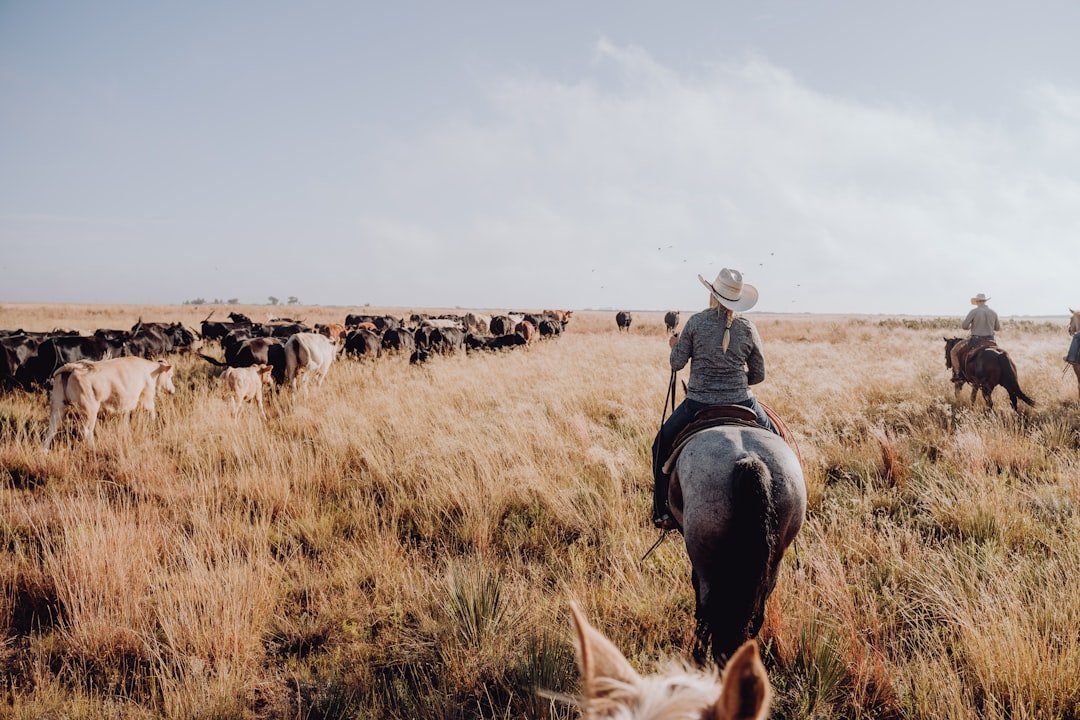
New World screwworm has breached U.S. borders for the first time in six decades, sending shockwaves through the American cattle industry. USDA confirmed the first detection on June 3, 2026, in Zavala County, Texas, near the U.S.-Mexico border. Agriculture Secretary Brooke Rollins announced the findings during an emergency press conference. The confirmation marks a critical turning point for livestock producers already battling record-low herd numbers and record-high beef prices.
Background on New World Screwworm
Furthermore, this parasitic pest carries a devastating history. New World screwworm larvae burrow into the living flesh of warm-blooded animals, causing severe wounds and often death. The pest reemerged in Chiapas, Mexico, in November 2024 and spread steadily northward. In Central America, cases had already surged since 2023, expanding across Costa Rica, Nicaragua, Honduras, Guatemala, Belize, and El Salvador. USDA eradicated screwworm from the United States in 1966 using the sterile insect technique. However, the parasite’s northward march through Mexico made a U.S. reentry a matter of when, not if.
Key Details
Importantly, the first confirmed U.S. case involved a three-week-old calf in La Pryor, Zavala County, Texas. USDA’s Animal and Plant Health Inspection Service (APHIS) identified larvae in the calf’s umbilical area. A rancher spotted signs of distress and called a veterinarian. Laboratory confirmation arrived from USDA’s National Veterinary Services Laboratories in Ames, Iowa. A second case quickly followed in another Zavala County calf just 5.6 miles away. Additional detections then spread to La Salle and Gillespie Counties in Texas, plus Lea County, New Mexico.
Industry Impact of New World Screwworm
Consequently, the outbreak strikes at a deeply vulnerable U.S. cattle industry. The U.S. beef herd sits at its smallest size in 75 years. Retail beef prices already stand at record highs. A full outbreak threatens to do $1.8 billion in damage to Texas’ economy alone, according to a USDA estimate. An outbreak also risks costing U.S. livestock producers approximately $1 billion and the broader economy $3.7 billion, per Senate estimates. Moreover, cattle ranchers now absorb added costs for daily inspections, veterinary fees, wound treatments, and monitoring. Texas leads the nation in cattle production with roughly 12 million head annually, representing nearly 15% of total U.S. output.
What Comes Next
Meanwhile, federal and state agencies launched an aggressive response immediately after confirmation. USDA’s APHIS deployed sterile fly dispersal efforts, including ground releases and aerial dispersals, across affected areas. Gov. Greg Abbott signed an emergency declaration on June 5, 2026, mobilizing state resources. USDA also appointed John Bellinger as Senior Advisor for New World Screwworm Preparedness on June 8. Sterile fly supply remains a critical constraint, with current production insufficient for the expanding outbreak zone. Furthermore, USDA urges all producers in affected regions to inspect animals daily and treat wounds immediately with approved insecticides.
Conclusion
Therefore, the New World screwworm confirmation stands as the most urgent agriculture crisis facing the United States today. Officials describe livestock protection as a national security issue of the utmost importance. Notably, screwworm does not infest meat or produce, so the immediate food safety risk stays low. However, the threat to living cattle herds — and the beef prices American consumers pay — grows more serious with each new confirmed case. Producers, veterinarians, and state officials must remain vigilant, report suspected cases within 24 hours, and work together to prevent a full-blown agricultural disaster.
Related: New World Screwworm Hits Texas Cattle
Originally reported by USDA APHIS. Analysis by the GardenScoop Editorial Team.