New World Screwworm Hits Texas Cattle
New World screwworm Texas cattle operations now face their gravest biosecurity threat since the 1960s, with six confirmed cases across Texas and New Mexico. Federal officials have…
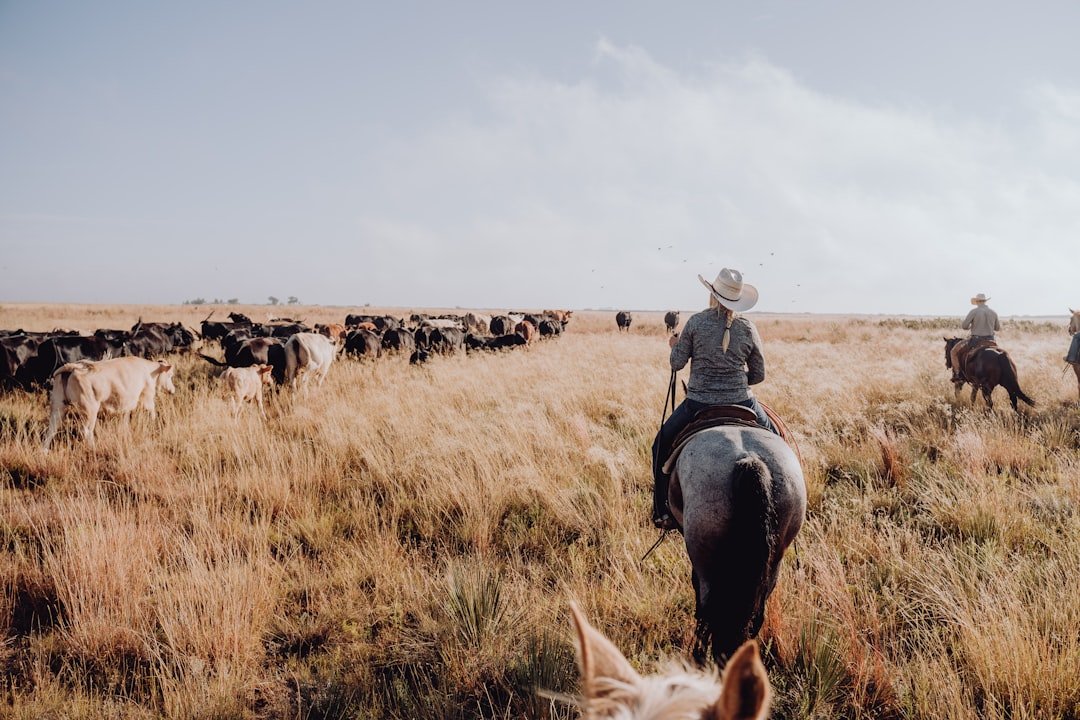
New World screwworm Texas cattle operations now face their most serious biosecurity threat in sixty years. USDA’s Animal and Plant Health Inspection Service confirmed the detection of a New World screwworm in a bovine in Zavala County, Texas, on June 3, 2026. This marked the first confirmation since USDA eradicated the pest from the U.S. in the 1960s, aside from a localized outbreak in Key deer in Florida in 2016–2017. Federal and state officials mobilized immediately, establishing quarantine zones and racing to deploy eradication tools.
Background on New World Screwworm Texas
Furthermore, this pest has a long and destructive history in American agriculture. New World screwworm was eradicated from the United States in 1966 using the sterile insect technique. Since 2023, an outbreak moved northward through Central America and Mexico, primarily infesting livestock, pets, and wildlife, but also people. In November 2024, NWS was detected in a cow at an inspection checkpoint in Chiapas, Mexico, and progressive northward spread has been confirmed since. Officials warned for months that a U.S. crossing was imminent.
Key Details of the New World Screwworm Texas Outbreak
Notably, the outbreak expanded quickly beyond its first detection point. Additional detections increased to six total domestic animal cases as of June 9, 2026, including four cattle, one goat, and one dog — with the dog case identified in Lea County, New Mexico, on June 8. The first affected animal was a 3-week-old calf, with larvae identified in its umbilical area. The USDA established a 12-mile quarantine area around the initial affected area, but another case then appeared in Gillespie County, over 100 miles from where the outbreak began. Meanwhile, a quarantine now covers ten Texas counties, including Edwards, Gillespie, Kerr, Kimble, La Salle, Sutton, Uvalde, Val Verde, Webb, and Zavala.
Industry Impact
Consequently, the economic stakes for American agriculture are enormous. Texas is home to the nation’s largest cattle industry, and an outbreak could cause significant economic damage. The New World screwworm is conservatively estimated to cause losses of $2.1 billion to the cattle industry and $9 billion to the hunting and wildlife industry in Texas alone. Beef has been at historically high prices, and cattle farmers already deal with the lowest herd count in decades, adding further inflationary pressure. The earlier suspension of live cattle imports from Mexico removed an estimated 1.2 million head of feeder cattle from the annual supply chain, sending feeder cattle futures to record highs. Moreover, ranchers must absorb additional labor, veterinary fees, and monitoring expenses, all of which cut directly into producer margins.
What Comes Next
Importantly, federal and state officials are ramping up an aggressive, multi-pronged response. USDA and the Texas Animal Health Commission have deployed 75 personnel actively responding on the ground, with additional support focused on diagnostics, logistics, surveillance, and outreach. USDA uses the sterile insect technique, which involves sterilizing screwworm pupae with gamma radiation and releasing them into the wild to mate with fertile females, causing eggs to never hatch. Roughly 4 million sterile screwworm flies are already being released each week by air near the U.S.-Mexico border. Construction of a new sterile fly production facility is underway at Moore Air Base in Texas, with an estimated 500 million sterile flies to be released weekly once completed. Additionally, President Trump appointed San Antonio businessman and Texas A&M Regent John Bellinger as USDA’s Senior Advisor for New World Screwworm Preparedness, tasking him with advising the agency as it expands containment efforts.
Conclusion
Therefore, the New World screwworm Texas outbreak demands every producer’s full attention right now. The U.S. cattle herd sits at its lowest level in 75 years, and a major screwworm outbreak threatens to further reduce supplies and increase costs for ranchers and consumers alike. Left untreated, animals can die within one week of infestation. All warm-blooded animals within a quarantine zone may not move without prior authorization from the Texas Animal Health Commission. Ranchers across Texas and neighboring states must stay vigilant, monitor livestock daily, and report any suspicious wounds to state animal health officials without delay.
Related: New World Screwworm Hits Texas: What Farmers Must Know
Originally reported by USDA Animal and Plant Health Inspection Service (APHIS). Analysis by the GardenScoop Editorial Team.