USDA FIELDS Program: $500M to Cut Fertilizer Costs
Fertilizer costs farmers billions annually, and the USDA just launched a $500 million FIELDS program alongside a presidential suspension of phosphate duties projected to cut…
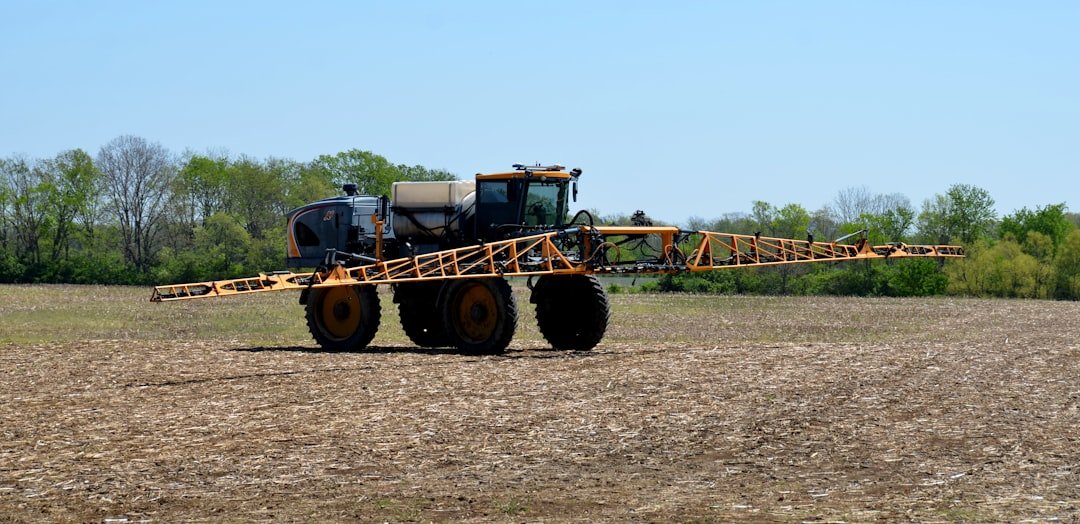
Fertilizer costs farmers across America billions each year — and this week, the federal government launched its biggest coordinated strike yet against that burden. On July 1, 2026, U.S. Secretary of Agriculture Brooke Rollins announced the $500 million Fertilizer Investment and Expansion for Long-Term Domestic Supply (FIELDS) Program, a sweeping new USDA Rural Development initiative designed to expand domestic fertilizer manufacturing and improve long-term affordability for American producers.
Background on Fertilizer Costs Farmers Face
Furthermore, the crisis did not appear overnight. Fertilizer prices have squeezed American farmers for years. The American Farm Bureau Federation reported prices skyrocketed as much as 47% just weeks into the U.S.-Iran conflict. More than 30% of global fertilizer exports faced disruption after Iran’s near-total closure of the Strait of Hormuz. North American buyers also struggled as China largely exited the phosphate export market and trade actions restricted Moroccan and Russian supplies. Farmers growing corn, soybeans, wheat, rice, sorghum, and cotton all felt the pinch.
Key Details
In addition, the administration moved on two parallel tracks this week. Just two days before the FIELDS launch, President Trump signed a proclamation temporarily suspending countervailing duties (CVDs) on phosphate fertilizer imports from Morocco. USDA estimates that action alone will reduce phosphate fertilizer prices by approximately 22 percent. The savings could reach more than 100,000 farms across 97 million planted acres nationwide. USDA projects American farmers could save approximately $1.82 billion annually as additional Moroccan phosphate enters the U.S. market.
Meanwhile, the FIELDS program targets the longer game. USDA will make $500 million available through Commodity Credit Corporation authorities to support construction and expansion of domestic fertilizer production facilities. Individual awards will range from $15 million to $150 million. Applicants must demonstrate financing plans, market demand, and measurable production benefits. The program requires a 50 percent private investment match. Applications close August 15, 2026, and USDA hopes to announce awards by September or October.
Industry Impact on Fertilizer Costs Farmers Must Absorb
However, not everyone expects immediate results. Josh Linville, vice president of fertilizer at StoneX Group, cautioned that economics — not policy alone — will ultimately determine price moves. He noted that diammonium phosphate (DAP), on a global basis, sits at the cheapest major price point in the world for U.S. buyers. That dynamic gives foreign suppliers little incentive to prioritize the American market. Linville questioned why the administration waited until now to suspend the duties, noting prices were substantially higher during last summer and heading into the 2026 spring planting season.
Notably, Texas corn producer Dee Vaughan pushed back with optimism. Vaughan said Morocco has phosphate ready to ship and that shipments take 90 to 120 days to arrive, making the timing critical for fall fertilizer applications. Farm groups cheered loudly. The American Soybean Association called the duty suspension “much-needed relief” for producers facing tight margins. National Corn Growers Association President Jed Bower called it “welcome news for corn farmers.”
Consequently, Mosaic Company — the largest U.S. phosphate producer — pushed back against the duty suspension. Mosaic argued that countervailing duties on Moroccan and Russian phosphate are necessary to ensure competitive domestic production and fair trade. The company says the original duties reflected real injury to the domestic phosphate industry confirmed multiple times over five years.
As a result, the administration also faces pressure from federal regulators examining fertilizer market structure. The Federal Trade Commission launched a formal, industry-wide investigation into fertilizer pricing and market concentration. The DOJ and FTC are examining whether markets respond as free markets should — or whether collusion has shaped pricing and supply allocation both domestically and overseas. USDA Deputy Secretary Stephen Vaden said both agencies are investigating civilly and criminally.
What Comes Next
Therefore, the path forward combines short-term relief and long-term rebuilding. Deputy Secretary Vaden described the strategy plainly: Trump’s duty suspension addresses the immediate needs of farmers heading into fall applications. The FIELDS program tackles medium- and longer-term supply chain gaps. USDA will accept FIELDS applications for 45 days and prioritizes shovel-ready projects with existing private capital behind them. Secretary Rollins stated the department reviewed more than 120 fertilizer projects inherited from the previous administration, finding only 8 of 121 prior grants were completed.
Moreover, industry leaders signaled readiness to move. Joshua Westling, CEO of J. Westling & Co., highlighted his Project Meadowlark — a planned domestic fertilizer complex in Gothenburg, Nebraska, representing more than $1 billion in total project investment. Westling told a Senate Agriculture Committee hearing that FIELDS funding closes the gap between a project that sounds good and one that actually breaks ground.
Conclusion
Importantly, American farmers enter the second half of 2026 with more tools in their corner than they held six months ago. The one-two punch of Moroccan phosphate duty relief and the FIELDS domestic investment program signals a major federal shift toward treating fertilizer supply as a national security issue. Whether the 22% price reduction materializes — and whether FIELDS plants break ground before the next planting crisis — will define the real legacy of this week’s announcements. Farmers, commodity groups, and markets will watch the fall application season closely for early answers.
Recommended Gardening Products
Here are related products that may help with this guide.
Search: granular fertilizer spreader
Search: granular fertilizer spreader
Search: granular fertilizer spreader
Search: granular fertilizer spreader
Related: USDA FIELDS Program: $500M Domestic Fertilizer Push
Originally reported by USDA / AgWeb / Agri-Pulse / Reuters / DTN Progressive Farmer. Analysis by the GardenScoop Editorial Team.