USDA FIELDS Program: $500M Domestic Fertilizer Push
Domestic fertilizer production took center stage on July 1, 2026, as USDA Secretary Brooke Rollins launched the $500 million FIELDS program to break America’s reliance on foreign…
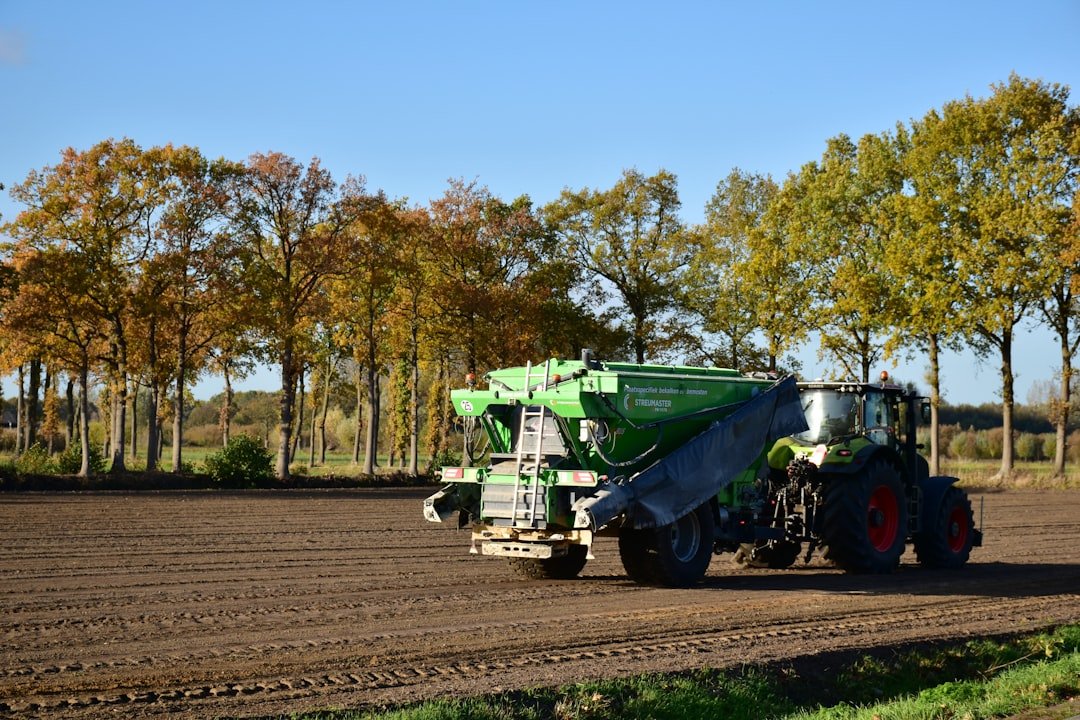
Domestic fertilizer production stands at the center of the most urgent farm policy fight in a generation, as USDA Secretary Brooke Rollins launched the $500 million Fertilizer Investment & Expansion for Long-Term Domestic Supply (FIELDS) program on July 1, 2026. The announcement, made alongside EPA Administrator Lee Zeldin and USDA Deputy Secretary Stephen Vaden, signals Washington’s most aggressive move yet to break American agriculture’s dangerous dependence on foreign fertilizer suppliers.
Background on Domestic Fertilizer Production
Furthermore, this crisis did not arrive without warning. For decades, U.S. farmers sourced a massive share of their nitrogen, phosphate, and potash from overseas. Middle Eastern conflict then shattered that fragile arrangement. According to federal data, U.S. fertilizer imports from affected Middle Eastern ports fell to zero in May 2026, sending shockwaves through the domestic supply chain just as spring planting concluded. The American Farm Bureau Federation reports prices skyrocketed as much as 47% just a month and a half into the conflict with Iran. Farmers absorbed those costs in silence — until Washington finally acted.
Key Details of the FIELDS Domestic Fertilizer Production Program
Notably, USDA administers the FIELDS program through Rural Development’s Rural Business-Cooperative Service. Funding flows directly from the Commodity Credit Corporation (CCC). The program supports construction of new fertilizer facilities, expansion of existing ones, and improvements to storage and transportation infrastructure. Individual awards range from $15 million to $150 million. Applicants must provide a 50 percent private financing match to qualify. USDA opened the Grants.gov application portal immediately, with a strict submission deadline of August 15, 2026. The agency expects to announce award winners in September or October.
Moreover, eligibility rules deliberately target smaller and mid-size producers. To prevent further market consolidation, eligible applicants must not hold a market share equal to or greater than the fourth-largest domestic producer of nitrogen, sulfur, phosphate, or potash. Deputy Secretary Vaden did not mince words about why that rule exists. He stated that for some fertilizer markets, just two companies control 90 percent of the market. The USDA wants competition, not consolidation, at the finish line.
Industry Impact
Consequently, the reaction across the farm sector landed quickly and loudly. Matt Frostic, National Corn Growers Association first vice president, attended the press conference in support. He said plainly: if fertilizer producers succeed, farmers succeed. Joshua Westling, CEO of J. Westling & Co. — which currently develops a $1.2 billion nitrogen complex in Gothenburg, Nebraska — called the federal capital injection essential. He said the hardest part of building a fertilizer plant is not the engineering but the upfront capital. The FIELDS grant bridges exactly that gap.
In addition, the broader multi-pronged strategy adds several other relief valves. President Trump suspended countervailing duties on Moroccan phosphate imports on June 29. Secretary Rollins stated that move alone reduces phosphate prices by 22%, affects 100,000 farms, and generates $1.82 billion in additional economic output by year’s end. The administration also added potash to the federal Critical Minerals list and issued a temporary Jones Act waiver to ease maritime shipping bottlenecks.
However, federal officials simultaneously acknowledged darker undertones in the fertilizer market. Deputy Secretary Vaden revealed that both the Department of Justice and the Federal Trade Commission are investigating the fertilizer market — both civilly and criminally — examining whether companies colluded to control where fertilizer flows, domestically and abroad. That admission adds urgency to every aspect of the FIELDS rollout.
What Comes Next for Domestic Fertilizer Production
Meanwhile, the administration drew sharp contrasts with its predecessor’s efforts. The Biden administration launched a $900 million Fertilizer Production Expansion Program (FPEP). Of the 121 projects funded, USDA says only eight reached completion, and 90 never even signed agreements. The department now redirects de-obligated FPEP funds into the FIELDS program, combining them with fresh CCC resources. Secretary Rollins made clear that FIELDS targets shovel-ready projects with real capital already behind them — not planning documents or pilot concepts.
Therefore, the next 45 days shape everything. Projects must demonstrate financing plans, market demand, project execution capability, and measurable benefits for American farmers. The USDA explicitly favors speed. Officials want plants that farmers can depend on before the next planting season rolls around. The July 10 WASDE report and the August crop progress data will set the economic backdrop against which those first FIELDS awards land.
Conclusion
Importantly, the FIELDS program represents far more than a grant announcement. It marks a fundamental restructuring of how America thinks about agricultural input security. Rollins captured the stakes cleanly: farm security is national security. With fertilizer prices punishing growers coast to coast and a war overseas severing global supply lines, the federal government finally placed domestic fertilizer production at the top of its farm policy agenda. American farmers now watch the August 15 deadline — and the awards that follow — as one of the most consequential policy moments in modern agricultural history.
Recommended Gardening Products
Here are related products that may help with this guide.
Search: granular fertilizer spreader
Search: granular fertilizer spreader
Search: granular fertilizer spreader
Search: granular fertilizer spreader
Related: Phosphate Fertilizer Duties Suspended for US Farmers
Originally reported by AgWeb / DTN Progressive Farmer / USDA Rural Development. Analysis by the GardenScoop Editorial Team.