USDA FIELDS Program Cuts Fertilizer Costs
Fertilizer costs farmers face nationwide dropped this week after USDA launched the $500 million FIELDS Program and President Trump suspended Moroccan phosphate duties, projecting…
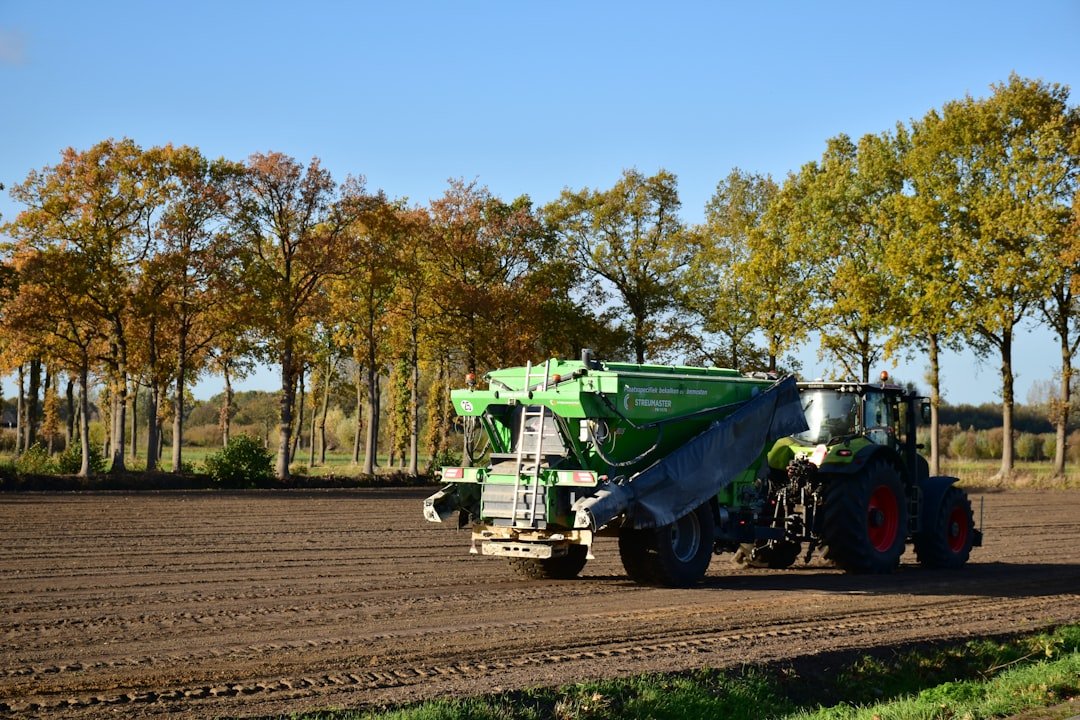
Fertilizer costs farmers face across America dropped sharply this week as the Trump administration launched two landmark actions targeting runaway input prices. On July 1, 2026, U.S. Secretary of Agriculture Brooke Rollins unveiled the $500 million Fertilizer Investment & Expansion for Long-Term Domestic Supply (FIELDS) Program. Days earlier, President Donald Trump signed a proclamation suspending countervailing duties on Moroccan phosphate imports. Together, the moves signal the most aggressive federal intervention in fertilizer markets in years.
Background on Fertilizer Costs Farmers Have Faced
Furthermore, the crisis did not emerge overnight. Global supply chains for phosphate fertilizers fractured as conflicts disrupted key shipping lanes. The American Farm Bureau Federation reported fertilizer prices skyrocketed as much as 47% within weeks of the Middle East conflict escalating. Specifically, the Iran war’s near-total closure of the Strait of Hormuz trapped Saudi Arabian phosphate cargo and cut U.S. fertilizer imports from affected Middle Eastern ports to zero in May. Meanwhile, China, another major phosphate supplier, tightened export limits, pushing phosphate prices up nearly 30% year-to-date. Farmers planting across 97 million acres absorbed those costs with no relief in sight — until now.
Key Details of the Fertilizer Costs Farmers Relief Package
In addition, the two-pronged relief package addresses both the short term and the long term. President Trump declared a national emergency over fertilizer supply on June 29, 2026, and signed a proclamation suspending anti-dumping and countervailing duties on phosphate fertilizer from Morocco for up to eight months. USDA analysis projects the move reduces phosphate fertilizer prices by approximately 22 percent. The agency estimates farmers could save approximately $1.82 billion annually as additional Moroccan supplies reach the U.S. market. More than 100,000 farms covering 97 million planted acres stand to benefit directly from the duty suspension alone.
Key Details: The FIELDS Program Explained
As a result, USDA simultaneously launched the FIELDS Program on July 1 to address the structural weakness that created the crisis. The program, administered through USDA Rural Development, draws $500 million from the Commodity Credit Corporation. Individual awards range from $15 million to $150 million per project. The program prioritizes shovel-ready, financially viable projects capable of increasing domestic production of nitrogen, phosphate, potash, sulfur, and other critical crop nutrients. Applicants must submit electronically through Grants.gov by August 15, 2026. To prevent further consolidation, USDA bars the four largest domestic fertilizer market players from applying.
Industry Impact
Meanwhile, farm groups across the country applauded the back-to-back announcements with unusual speed. National Corn Growers Association President Jed Bower, an Ohio farmer, called the duty suspension welcome news for corn farmers. Texas Corn Producers President Hagen Hunt said the move gives growers breathing room when input prices have squeezed farm families hard. American Soybean Association President Scott Metzger stated that suspending import taxes will improve fertilizer availability at a time when farmers plan for the 2027 crop under challenging financial conditions. However, analysts flagged a structural complication. StoneX Vice President of Fertilizer Josh Linville noted that U.S. diammonium phosphate values currently sit at the cheapest major price point in the world. That market reality may limit how much Moroccan phosphate actually flows to American ports.
What Comes Next
Consequently, the administration pursues parallel tracks to close the supply gap long-term. Deputy Agriculture Secretary Stephen Vaden confirmed that the Department of Justice and the Federal Trade Commission launched civil and criminal investigations into potential price-gouging and collusion in the domestic fertilizer market. Moreover, USDA continues to support a $1.2 billion nitrogen complex under development in Gothenburg, Nebraska. That project, developed by J. Westling & Co., targets 365,000 tons of UAN and 140,000 tons of ammonium thiosulfate annually. Notably, industry players also stepped up: CF Industries delayed scheduled maintenance to prioritize American farmers, and Pivot Bio locked in fertilizer pricing through 2028. The duty suspension itself gives farmers approximately 90 to 120 days — the maritime transit time from Morocco — to see lower-priced phosphate reach domestic markets ahead of fall applications.
Conclusion
Importantly, the FIELDS Program and the Moroccan phosphate duty suspension together represent a generational shift in how Washington approaches fertilizer supply security. Therefore, every farmer heading into fall application season watches these developments closely. The USDA calls the strategy straightforward: build fertilizer plants on American soil, open competition, and drive prices down. Whether the FIELDS Program delivers faster than the previous administration’s $900 million effort — which completed only eight of 121 projects — remains the central test for agriculture policy in 2026.
Recommended Gardening Products
Here are related products that may help with this guide.
Search: granular fertilizer spreader
Search: granular fertilizer spreader
Search: granular fertilizer spreader
Search: granular fertilizer spreader
Related: USDA FIELDS Program Targets Fertilizer Crisis
Originally reported by USDA. Analysis by the GardenScoop Editorial Team.