Senate Farm Bill 2.0 Reshapes U.S. Agriculture
Senate Agriculture Committee Chairman John Boozman released the 902-page 2026 Farm Bill draft on June 23, pushing the Agricultural Act of 2026 toward a committee markup before the…
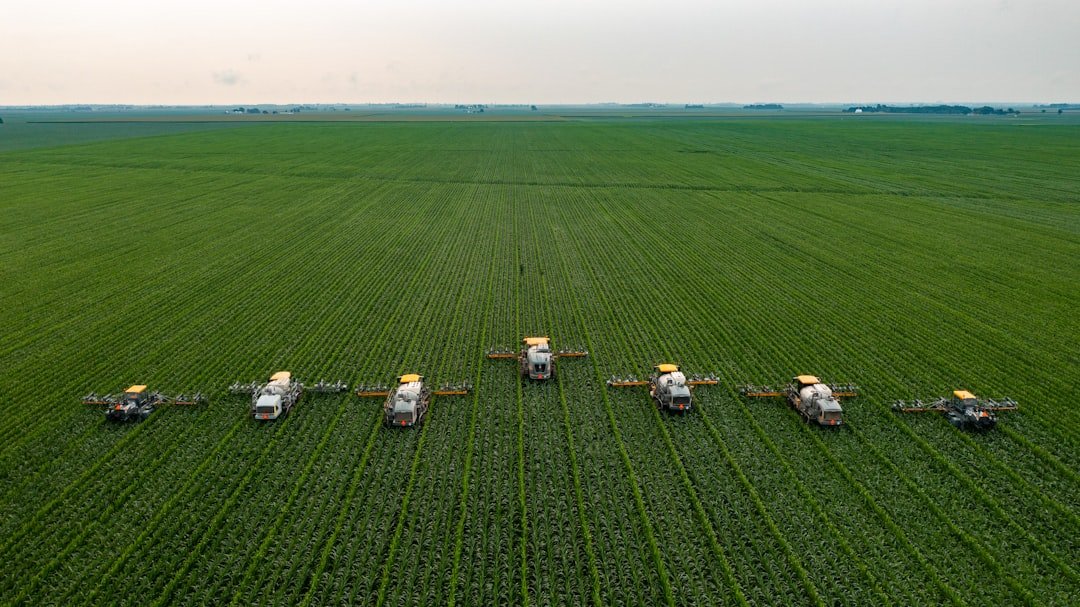
The 2026 Farm Bill took a historic leap forward yesterday as Senate Agriculture Committee Chairman John Boozman (R-Ark.) dropped the long-awaited 902-page Agricultural Act of 2026 — branded Farm Bill 2.0. Boozman introduced the Senate discussion draft on June 23, 2026, pushing one of Congress’ most consequential legislative packages closer to the president’s desk. The bill covers farm safety nets, rural infrastructure, conservation, trade, and crop insurance through 2031.
Background on the 2026 Farm Bill
Furthermore, the urgency behind this bill is hard to overstate. The most recent Farm Bill — the Agricultural Improvement Act of 2018 — first expired in 2023. Congress then extended it multiple times, leaving producers in a prolonged state of uncertainty. The current extension runs through September 30, 2026. Farmers have waited years for stable, updated federal policy that reflects dramatically changed economic conditions since 2018.
Key Details of the 2026 Farm Bill
Notably, Senate Farm Bill 2.0 runs 902 pages and covers sweeping ground. The bill builds on farm-program changes enacted in last year’s reconciliation package and reauthorizes a long list of programs through 2031. It modernizes USDA loan limits so producers can access the capital they need. Farm Service Agency farm ownership loan indebtedness would rise to $850,000, with guaranteed loans climbing to $3.5 million beginning in fiscal year 2027. The bill also doubles funding for trade promotion programs.
In addition, the draft expands the Livestock Indemnity Program and bolsters animal health programs. It clarifies allowable uses of animal health funds, including for disease traceability. The bill creates regulatory pathways for biostimulants and strengthens foreign ownership disclosure requirements. Conservation cost-share rates for land easements would jump from 50% to 60%. Grasslands of special significance would climb from 75% to 80% cost-share.
Moreover, the Senate draft allows conservation loans to cover precision agriculture equipment. It creates a new State Conservation Assistance Program, providing $50 million annually in grants to states and tribes. The bill also continues investing in rural broadband and water infrastructure. It expands mental health care access for rural communities. Fertilizer market transparency provisions also appear in Title I.
Industry Impact of the 2026 Farm Bill
Consequently, farm organizations moved quickly to praise the draft’s release. American Farm Bureau Federation President Zippy Duvall says the measure provides important support for farm families, including improved credit access and expanded specialty crop investments. Ted McKinney, CEO of NASDA, says finishing the farm bill is vital since agriculture supports one-fifth of the U.S. economy. House Agriculture Committee Chairman Glenn Thompson also applauded Senate leaders for their efforts and said he looks forward to getting a farm bill to the president’s desk.
However, the bill faces sharp criticism on its nutrition provisions. The Center on Budget and Policy Priorities says the Senate draft ignores the rapidly worsening hunger crisis following last year’s Republican reconciliation law. SNAP participation fell by more than 4 million people — a 10% drop — between July 2025 and March 2026. Democrats press for a two-year delay before states assume new responsibilities tied to SNAP error-rate penalties. The debate over food assistance remains one of the bill’s most contentious fault lines heading into markup.
What Comes Next for the 2026 Farm Bill
Meanwhile, the legislative calendar tightens rapidly. The Senate Agriculture Committee plans to take up Boozman’s draft between Congress’ July 4 break and the August district work period. That window falls between July 13 and August 7. If the committee advances the bill and the full Senate passes it, the House and Senate versions head to a conference committee. Negotiators must then reconcile differences between the two chambers before sending a unified bill to President Trump.
As a result, the September 30, 2026 expiration date of the current extension creates a hard deadline. The House passed its own Farm, Food, and National Security Act on April 30 by a vote of 224–200. The two bills share broad similarities but carry meaningful differences that negotiators must iron out. A markup before the August recess keeps the timeline alive for a fall signing.
Conclusion
Therefore, the release of the 2026 Farm Bill Senate draft marks the most significant single agriculture policy moment of 2026. The legislation touches every corner of American farming — from commodity programs and crop insurance to rural hospitals and SNAP. Importantly, Boozman frames this as a bipartisan effort built for rural America. With the clock ticking toward a fall deadline, producers, ranchers, and rural communities now watch the Senate closely. The next Farm Bill will shape American agriculture policy for the next five years.
Related: New World Screwworm Returns to US Cattle Herds
Originally reported by Feedstuffs / U.S. Senate Committee on Agriculture. Analysis by the GardenScoop Editorial Team.