Phosphate Fertilizer Duty Cut Saves Farmers $1.82B
The phosphate fertilizer duty suspension signed by President Trump temporarily halts tariffs on Moroccan imports and could cut prices 22%, saving U.S. farmers an estimated $1.82…
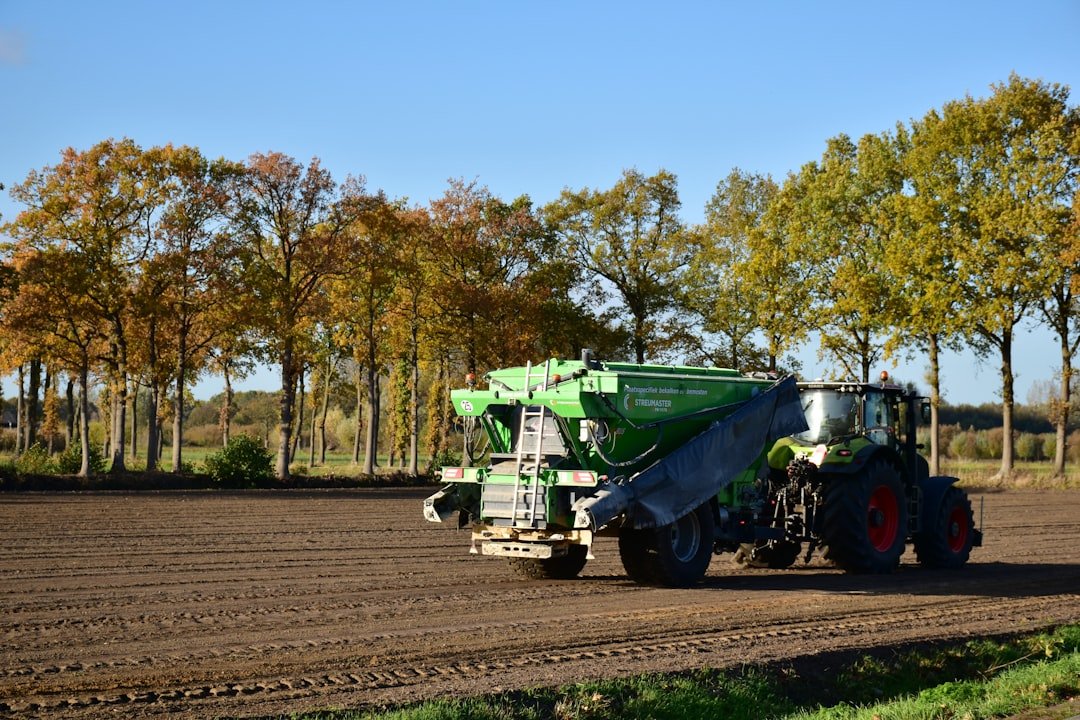
The phosphate fertilizer duty suspension signed by President Donald Trump on June 29, 2026, marks the most consequential farm input relief action in years. Trump invoked emergency authority under Section 318 of the Tariff Act of 1930, temporarily halting countervailing duties on phosphate fertilizer imports from Morocco for up to eight months. USDA immediately projected the move would cut phosphate prices by approximately 22 percent and deliver $1.82 billion in annual savings to U.S. producers.
Background on Phosphate Fertilizer Duty Suspension
Farmers have battled high phosphate costs for years. North American buyers faced limited supplies after China largely exited the phosphate export market, and trade actions restricted Moroccan and Russian product. Countervailing duties imposed in 2021 further tightened supply and drove prices sharply higher. StoneX fertilizer analyst Josh Linville says the DAP-to-corn price ratio recently approached all-time highs set in 2008. Fertilizer costs surged roughly 55 percent during the previous administration, squeezing margins on every planted acre.
Key Details of the Phosphate Fertilizer Duty Suspension
Trump declared a national emergency over fertilizer supply and signed the proclamation on June 29. The order suspends antidumping and countervailing duties on Moroccan phosphate fertilizer for eight months or until the emergency ends. USDA says the action benefits more than 100,000 farms across 97 million planted acres nationwide. Agriculture Secretary Brooke Rollins confirmed the administration projects an estimated 22 percent reduction in phosphate fertilizer prices. The administration also designated phosphate and potash as critical minerals and launched the $500 million FIELDS program through USDA Rural Development to fast-track domestic fertilizer production.
Industry Impact of the Phosphate Fertilizer Duty Suspension
Wheat, soybean, sorghum, and corn farm groups quickly welcomed the decision. Texas corn producer Dee Vaughan called the news a long-awaited shift after more than a year of industry pressure. However, analysts urge caution. Linville warns that actual farm-level savings depend entirely on how much Moroccan phosphate physically enters the U.S. market. Meanwhile, the Federal Trade Commission launched a formal industry-wide investigation in May into fertilizer pricing and market concentration among major manufacturers including Mosaic, Nutrien, CF Industries, and Koch. Furthermore, some industry voices questioned why the administration waited until now to act, since phosphate prices were substantially higher during last summer and the spring 2026 planting season.
What Comes Next
Consequently, fall 2026 application season will serve as the real test. Linville warns that if prices fail to drop significantly, farmers may skip, reduce, or delay phosphate applications entirely this fall. As a result, crop nutrient levels and future yields could face downward pressure. Moreover, USDA continues to advance long-term domestic fertilizer manufacturing projects, though officials acknowledge those efforts will take years to materially increase supply. Therefore, the eight-month duty window gives the market a narrow but meaningful opportunity to rebalance. Growers say they will keep pushing for a permanent resolution once the temporary proclamation expires.
Conclusion
Notably, this phosphate fertilizer duty suspension arrives at a critical moment for American agriculture. Farm margins remain razor-thin after years of compressed crop prices and rising input costs. Importantly, the $1.82 billion in projected annual savings represents real money for producers who planted across 97 million acres this season. Whether the market delivers that relief before fall application deadlines will define whether this policy move lands as promised relief or a missed opportunity.
Recommended Gardening Products
Here are related products that may help with this guide.
Search: phosphate fertilizer spreader
Search: phosphate fertilizer spreader
Search: phosphate fertilizer spreader
Search: phosphate fertilizer spreader
Related: USDA Acreage Report 2026: Corn Stocks Shock Markets
Originally reported by USDA / AgWeb. Analysis by the GardenScoop Editorial Team.