China Drops Tariff on U.S. Soybeans, Grains Rally
The China soybean tariff drop triggered the biggest U.S. grain market rally in weeks, with USDA confirming Chinese flash purchases of 17.3 million bushels. Soybean, corn, and…
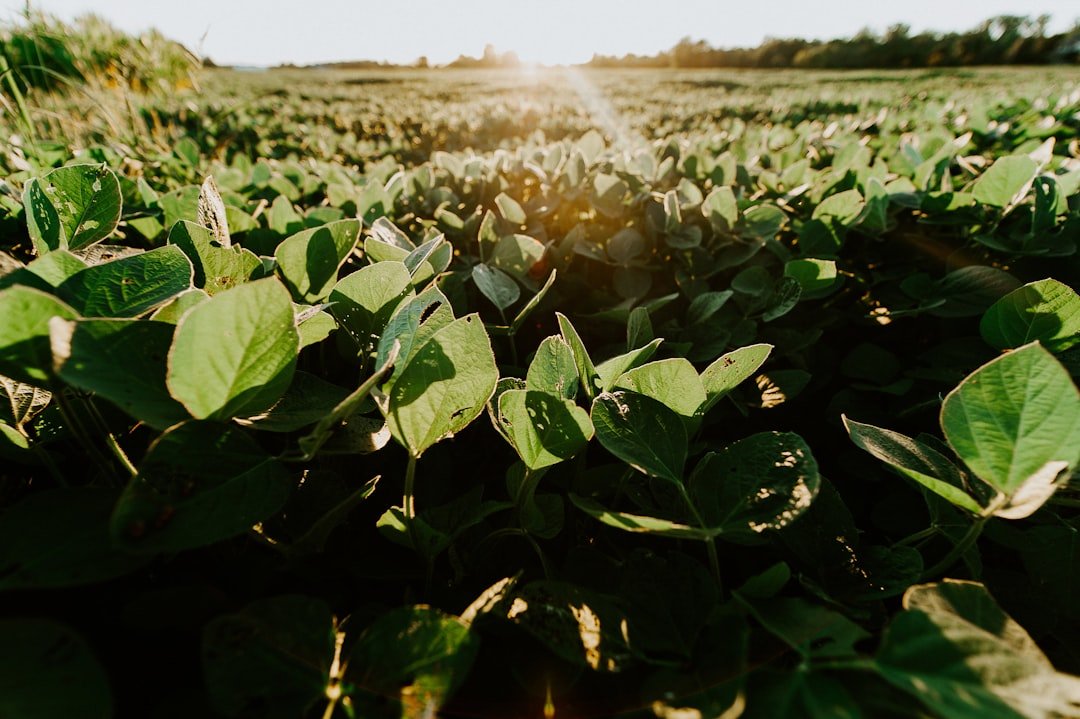
The China soybean tariff drop is reshaping U.S. grain markets this week, delivering the biggest rally farmers have seen in months. China’s Ministry of Commerce confirmed it plans to lower its 10% reciprocal tariff on U.S. agricultural goods, including soybeans, corn, and wheat, as part of a broader bilateral tariff reduction deal. The move lit a fire under grain futures and handed American producers a rare dose of optimism heading into the critical mid-summer growing window.
Background on China Soybean Tariff Drop
Furthermore, this shift did not emerge overnight. China imposed the 10% retaliatory tariff on U.S. agricultural goods in response to American fentanyl-related duties. As a result, U.S. soybeans lost competitive ground to South American supplies for years. Meanwhile, U.S. soybean export commitments for 2025–26 delivery totaled 1.508 billion bushels, down 17% from the same period last year. Consequently, USDA cut its full-year soybean export forecast to 1.51 billion bushels, a 13-year low. The tariff standoff cost American farmers dearly and left grain markets searching for a demand catalyst.
Key Details of the China Soybean Tariff Drop
Notably, the U.S. will end its 10% fentanyl tariff while China reciprocates by dropping its 10% tax on U.S. ag goods, including soybeans and grains. However, the U.S. Trade Representative’s office has not yet officially confirmed the agreement. Moreover, StoneX chief commodities economist Arlan Suderman says the tariffs could be dropped by October 1. In response, November soybean futures jumped 44½ cents to settle at $11.92¼ a bushel on Monday. December corn futures finished 16¼ cents higher at $4.57¾ a bushel. December wheat climbed 14½ cents to close at $6.28½ a bushel.
Industry Impact of the China Soybean Tariff Drop
Importantly, USDA confirmed China purchased 17.3 million bushels of U.S. soybeans in flash sales this week. In addition, reports surfaced that COFCO purchased roughly six cargoes of U.S. soybeans for September and October delivery. Meanwhile, analysts caution that U.S. soybeans now trade 50 to 60 cents above South American offers, limiting price competitiveness. Furthermore, weather adds another layer of uncertainty for grain markets. The extended forecast runs hot and dry through July 19 across the western Midwest and Plains. In contrast, parts of the eastern Corn Belt received 5 to 12 inches of rain, causing flooding and trimming yield potential. Therefore, both China trade headlines and volatile weather continue to drive price swings daily.
What Comes Next for China Soybean Tariff Drop Markets
Consequently, all eyes now shift to the USDA WASDE report scheduled for release on July 10. Analysts say the report is unlikely to cut yield estimates this early in the season. However, any reduction in projected carryout would provide additional price support. Moreover, speculation grows that Chinese President Xi’s expected U.S. visit in September could formalize a massive 25-million-ton soybean purchase agreement. In addition, the U.S. and China are reportedly developing a dedicated agricultural Board of Trade to separate farm trade from sensitive geopolitical disputes. Meanwhile, corn remains near chart resistance at the $4.70 level for December futures, with funds watching weather and WASDE closely before committing to a direction. Therefore, the next two weeks will determine whether this rally has lasting power or fades under harvest pressure.
Conclusion
In addition, farmers must decide quickly whether to lock in new crop sales at current elevated prices. Notably, a Farmer’s Keeper survey shows only 22% of farmers have sold new crop soybeans, leaving significant unhedged exposure. As a result, market advisors urge producers to take advantage of the rally while momentum holds. Moreover, the U.S.-China tariff thaw arrives as phosphate fertilizer duties also get suspended, giving farmers a rare double shot of relief on both the input cost and revenue sides. Importantly, the China soybean tariff drop marks the most significant trade development for American agriculture in 2026. Ultimately, the direction of U.S. grain markets this summer hinges on whether Beijing follows through with purchases at scale and whether Corn Belt weather holds together through pollination.
Recommended Gardening Products
Here are related products that may help with this guide.
Search: grain moisture meter
Search: grain moisture meter
Search: grain moisture meter
Search: grain moisture meter
Related: USDA FIELDS Program: $500M Fertilizer Supply Push
Originally reported by AgWeb. Analysis by the GardenScoop Editorial Team.