2026 Farm Bill Senate Draft: What Farmers Must Know
The Senate Agriculture Committee released its 2026 Farm Bill discussion draft on June 23, setting up a summer markup fight over SNAP cuts, farm program updates, and billions in…
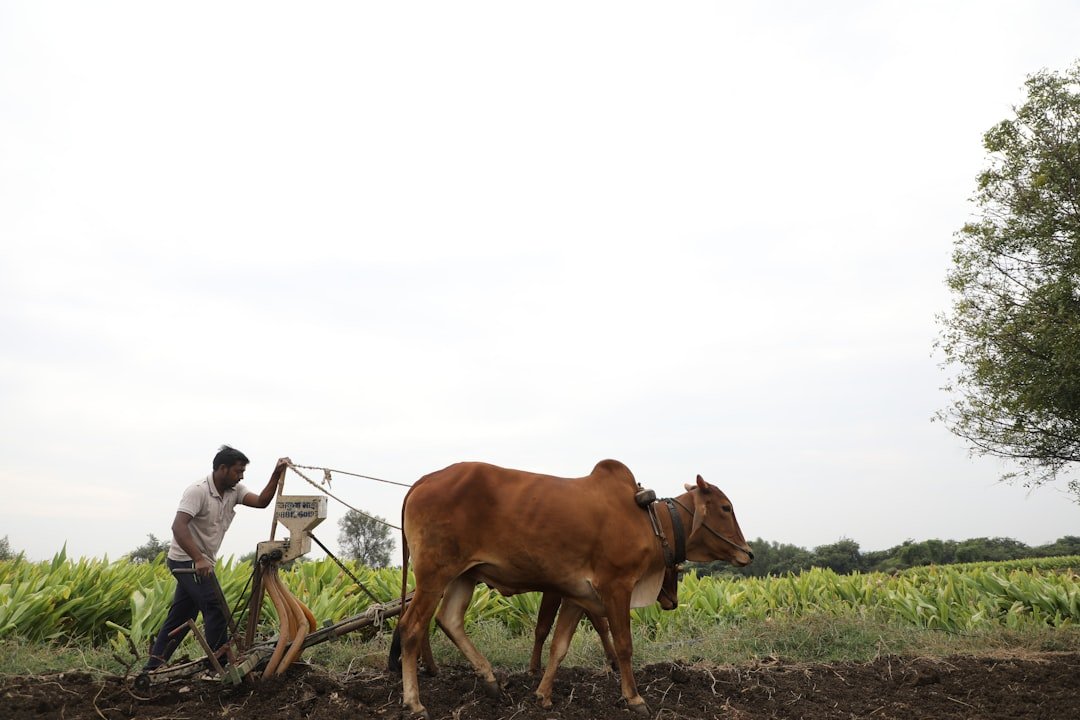
The 2026 Farm Bill moved one major step closer to reality on June 23 when the Senate Agriculture Committee released its long-awaited discussion draft. Senate Agriculture Committee Chairman John Boozman (R-Ark.) introduced the Senate version of the legislation, formally titled the Agricultural Act of 2026. The draft arrives after years of stalled negotiations and carries enormous stakes for every farmer, rancher, and rural community in America.
Background on the 2026 Farm Bill
The most recent Farm Bill, the Agricultural Improvement Act of 2018, initially expired in 2023. Congress extended it multiple times as negotiations repeatedly stalled. The current law runs through September 30, 2026, creating a hard deadline for lawmakers. Economic conditions have shifted dramatically since 2018, and producers have waited anxiously for updated policy. The House passed its version, the Farm, Food, and National Security Act of 2026, by a vote of 224–200 on April 30. The Senate draft now sets up the next phase of negotiations.
Key Details of the 2026 Farm Bill Draft
The Senate Agriculture Committee unveiled its 900-page discussion draft for markup later this summer. The legislation builds on changes enacted through last year’s reconciliation package, the One Big Beautiful Bill Act. That package already increased commodity reference prices in crop insurance and made significant nutrition policy changes. The Senate draft proposes updates across farm programs, conservation, credit, and rural development. Notably, the bill also allows conservation loans to fund precision agriculture equipment. Furthermore, the draft combats persistent threats including highly pathogenic avian influenza, New World screwworm, and Asian longhorned tick. However, the Senate draft omits year-round E15 gasoline sales, new domestic fertilizer production assistance, and animal confinement standards.
Industry Impact of the 2026 Farm Bill
The 2026 Farm Bill carries wide-ranging consequences for American agriculture. The American Farm Bureau Federation highlighted increased loan limits and enhanced financing options for farmers and ranchers as critical wins. Additionally, the draft delivers significant investments in specialty crops across multiple titles. Meanwhile, SNAP participation fell by more than 4 million people — roughly 10% — between July 2025 and March 2026, according to the Center on Budget and Policy Priorities. Senate Democrats remain firm: they refuse to support any farm bill that does not address the shift of SNAP costs onto states. That provision, embedded in last year’s reconciliation law, effectively cuts a large amount of SNAP funding. Consequently, the path to passage remains extremely unclear. Moreover, President Trump sent a supplemental request to Congress on June 24, asking for $11.1 billion in farm aid. That request includes $10 billion in temporary economic assistance for row and specialty crop producers in 2026.
What Comes Next for the 2026 Farm Bill
Chairman Boozman committed to marking up the 2026 Farm Bill draft after the Senate returns from recess in mid-July. After the committee finalizes its markup, the bill moves to the full Senate floor for consideration. Senate Majority Leader John Thune (R-S.D.) also told the committee he wants to consider E15 during the summer work period before the August recess. Therefore, E15 may pursue a separate legislative path. Furthermore, Trump’s $11.1 billion supplemental farm aid request adds another dimension to ongoing negotiations. An additional $1.1 billion in that request targets Florida agricultural producers recovering from devastating winter storm losses. Congress holds final authority over the shape of any supplemental package.
Conclusion
The 2026 Farm Bill now enters its most critical phase. The Senate draft delivers real wins for farmers on loans, specialty crops, and risk management tools. However, the unresolved SNAP fight threatens to derail bipartisan support entirely. With the current farm law expiring September 30, the clock ticks loudly for lawmakers. Farmers, ranchers, and rural communities across America watch closely as Congress races to deliver updated policy before the deadline.
Related: Trump Signs Regenerative Agriculture Executive Order
Originally reported by DTN Progressive Farmer. Analysis by the GardenScoop Editorial Team.